Procedures
Advanced Spine Procedures
Specialized Spine Procedures for Lasting Pain Relief and Improved Mobility
From minimally invasive techniques to complex spine surgeries, Dr. Shashidhar B.K. provides advanced surgical solutions tailored to each patient’s condition and recovery goals.

Lumar Discectomy
(PELD)
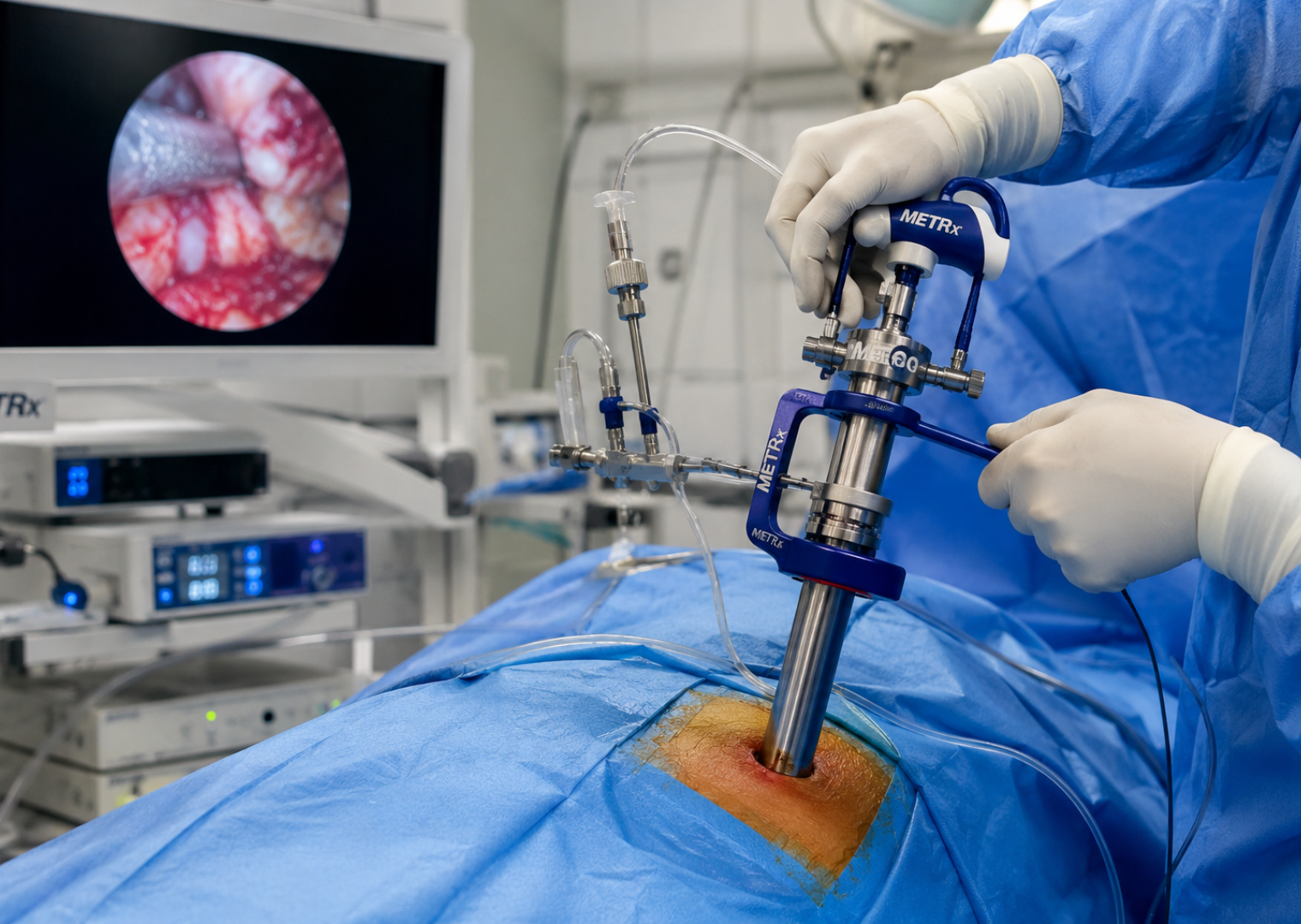
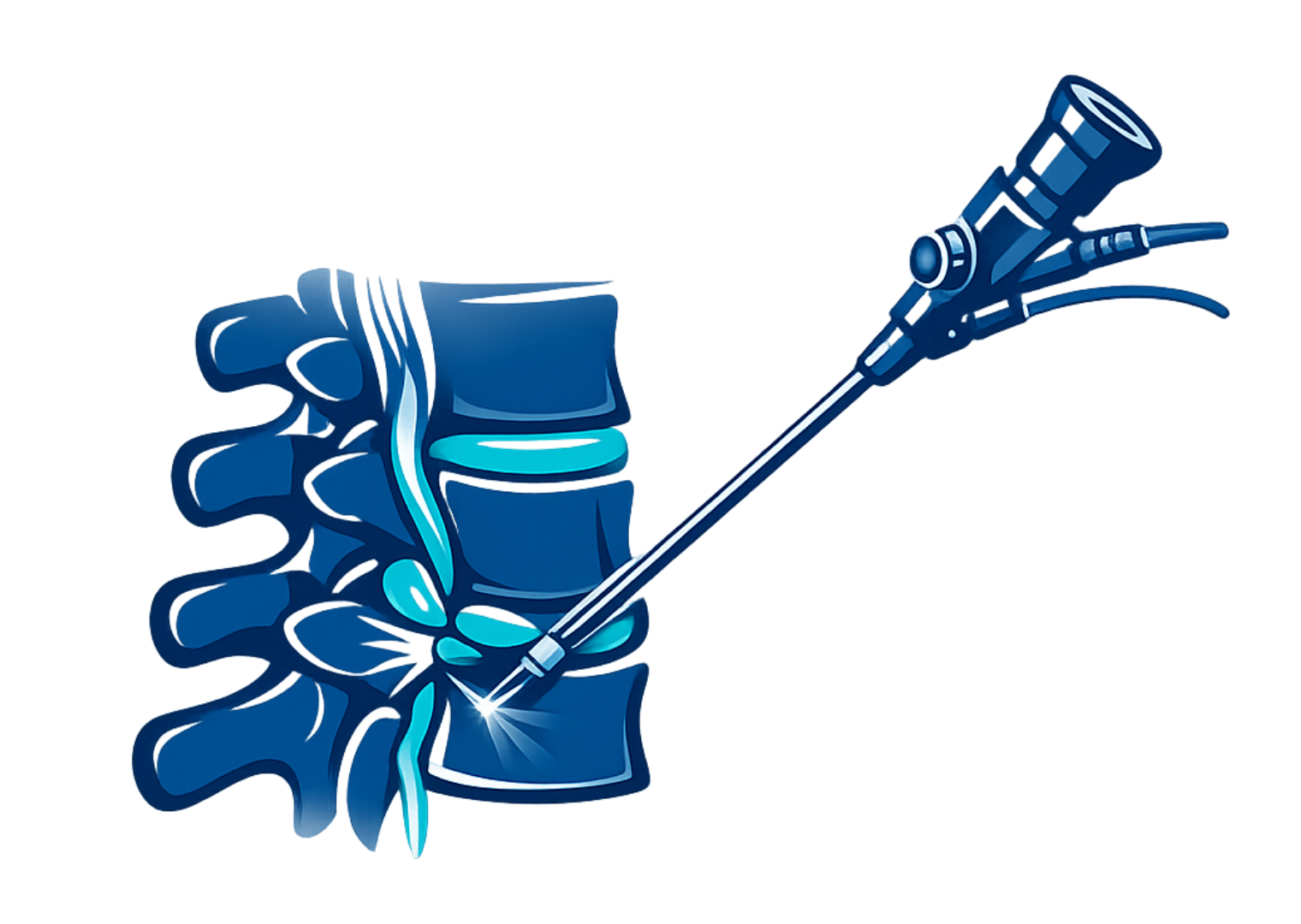
A minimally invasive spine procedure used to treat slipped or herniated lumbar discs causing back pain and sciatica. Performed through a small incision using an endoscope, PELD helps relieve nerve compression with minimal tissue damage, reduced postoperative pain, and faster recovery.

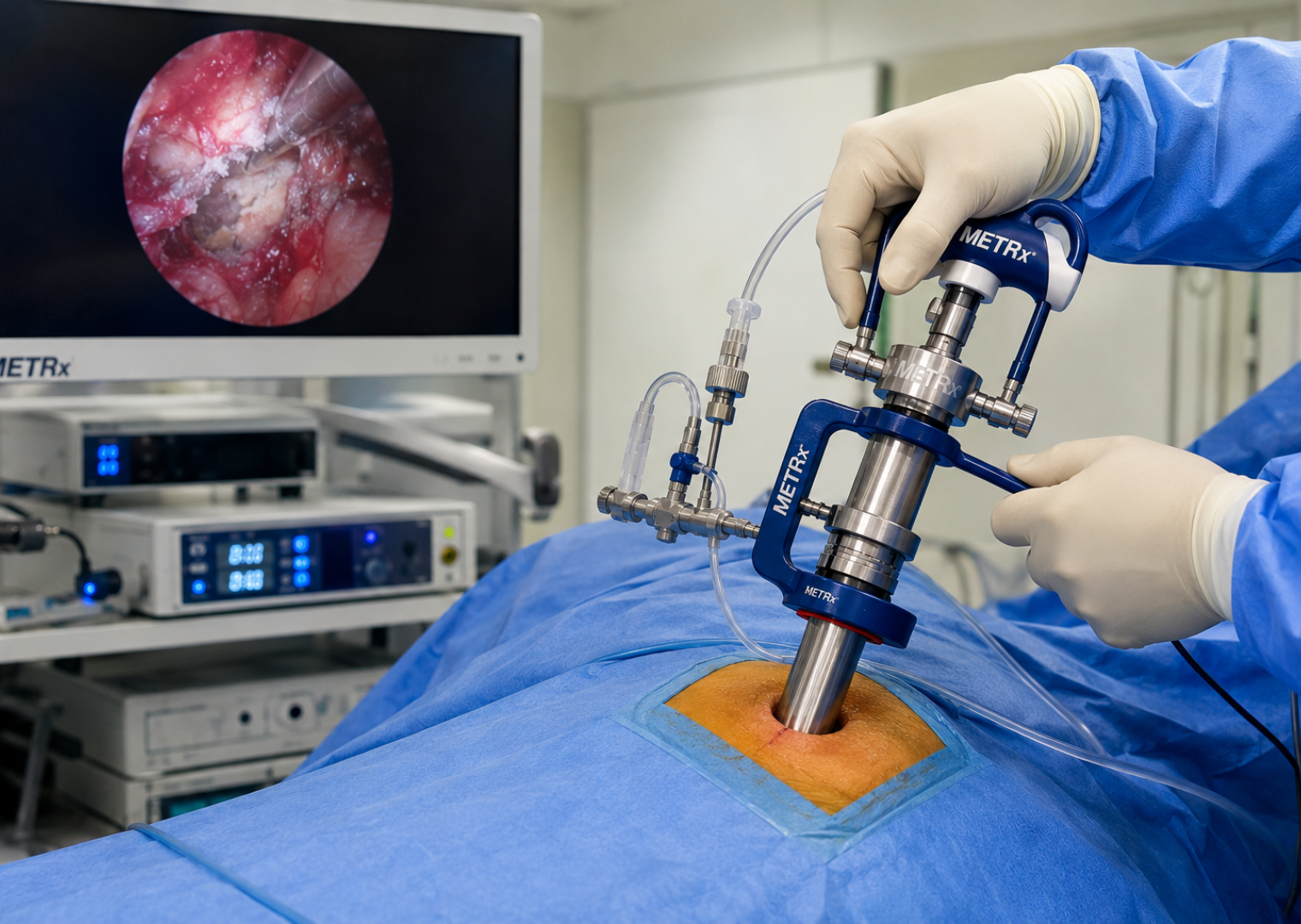
A minimally invasive spine procedure used to treat prolapsed intervertebral discs causing back pain and sciatica. Performed through a small incision using the MetRx tubular system and endoscopic visualization, MED relieves nerve compression with minimal tissue damage, reduced postoperative pain, and faster recovery.

A minimally invasive spine procedure used to treat spinal stenosis and nerve compression causing back pain and leg symptoms. Performed through a small incision using endoscopic techniques, it relieves pressure on spinal nerves while preserving surrounding tissues, resulting in reduced pain and faster recovery.

Canal Stenosis.
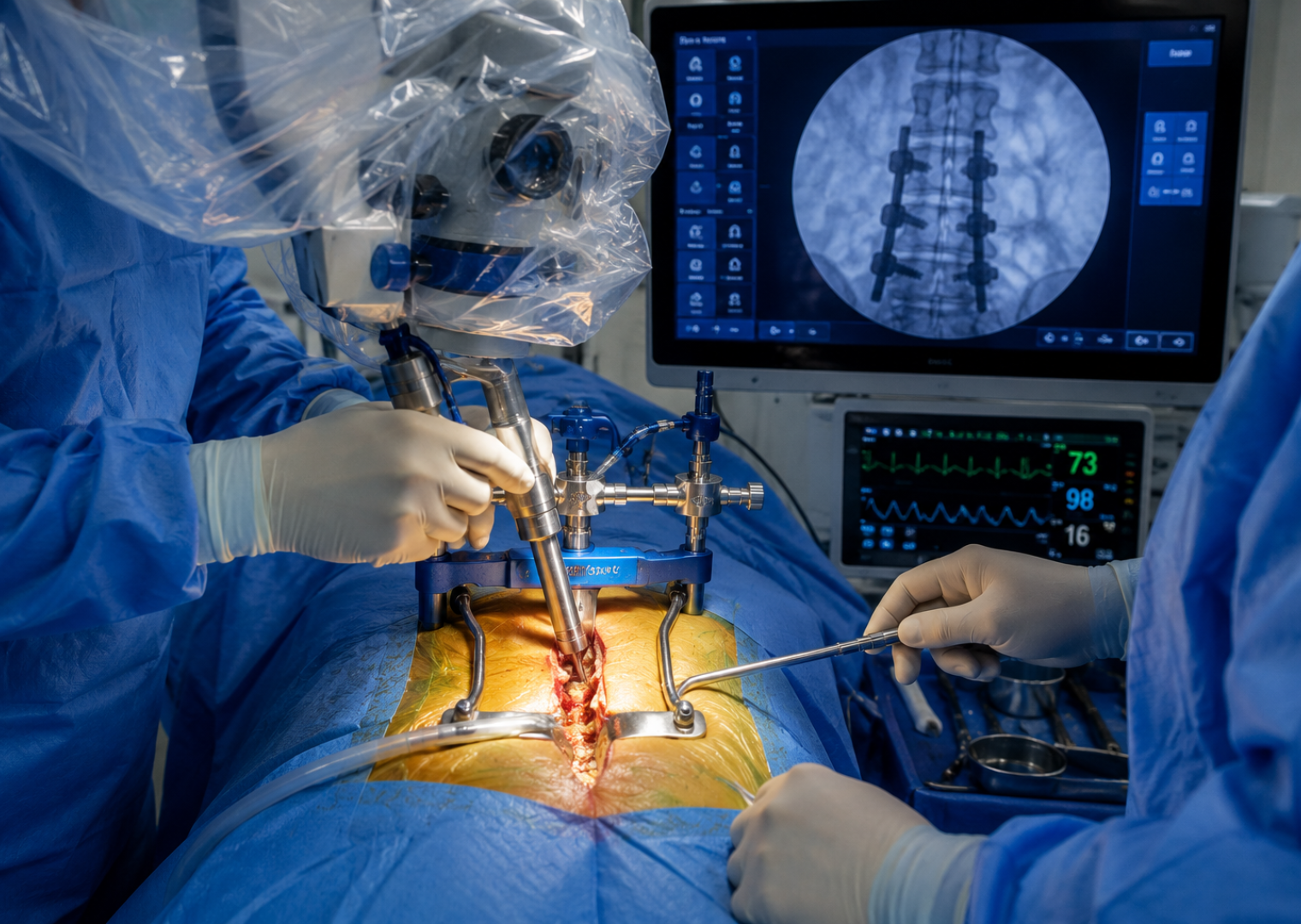
A surgical spine procedure used to treat lumbar canal stenosis causing back pain, leg pain, and difficulty walking. By relieving pressure on the spinal nerves and stabilizing the spine when necessary, it helps improve mobility, reduce pain, and restore daily function.

TLIF
(MIS-TLIF).
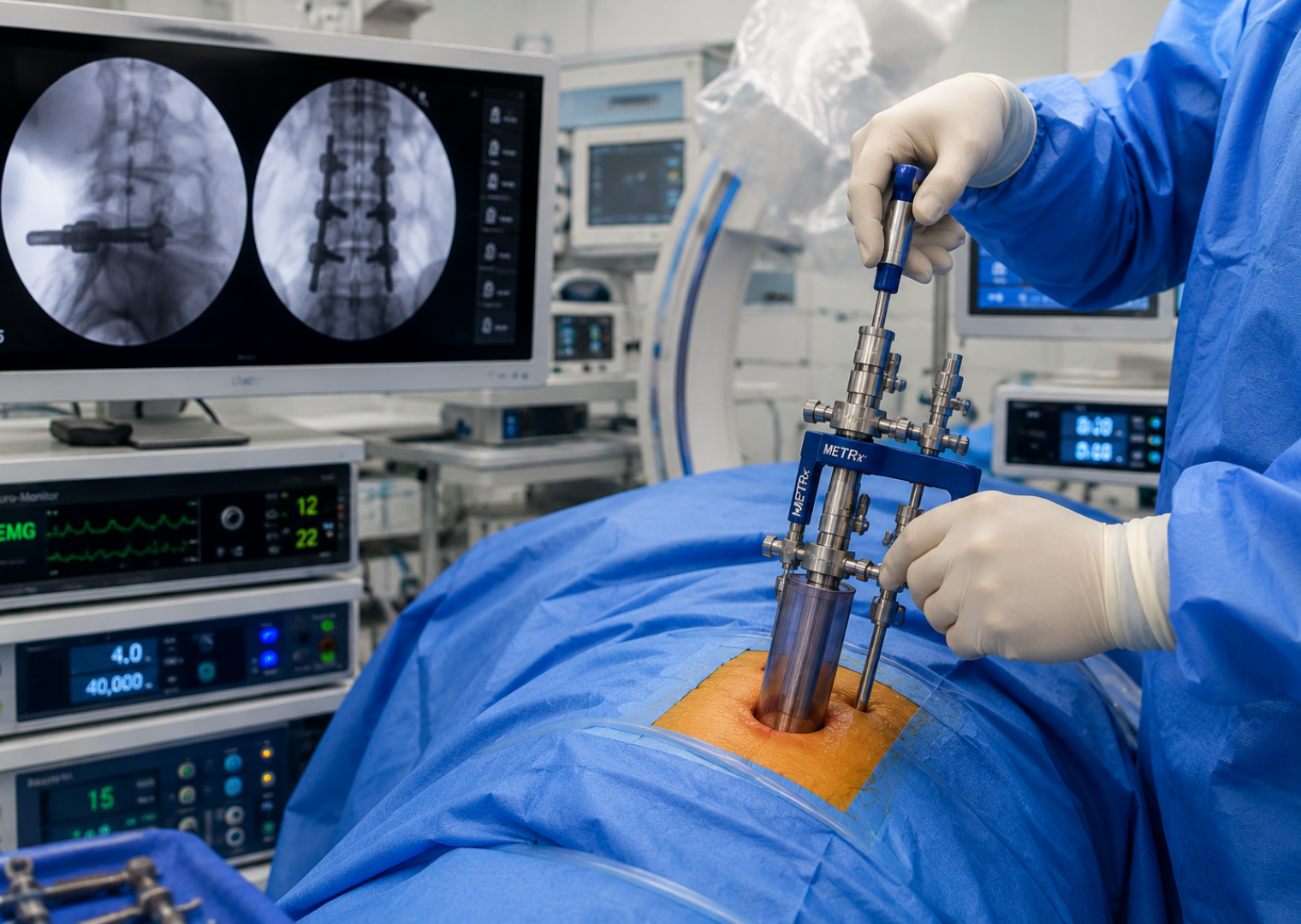
A minimally invasive spine procedure used to treat spinal instability, degenerative disc disease, and spondylolisthesis. Performed through small incisions, MIS-TLIF stabilizes the spine and relieves nerve compression while minimizing tissue damage, reducing postoperative pain, and supporting faster recovery.

Replacement
(Total Disc Replacement)
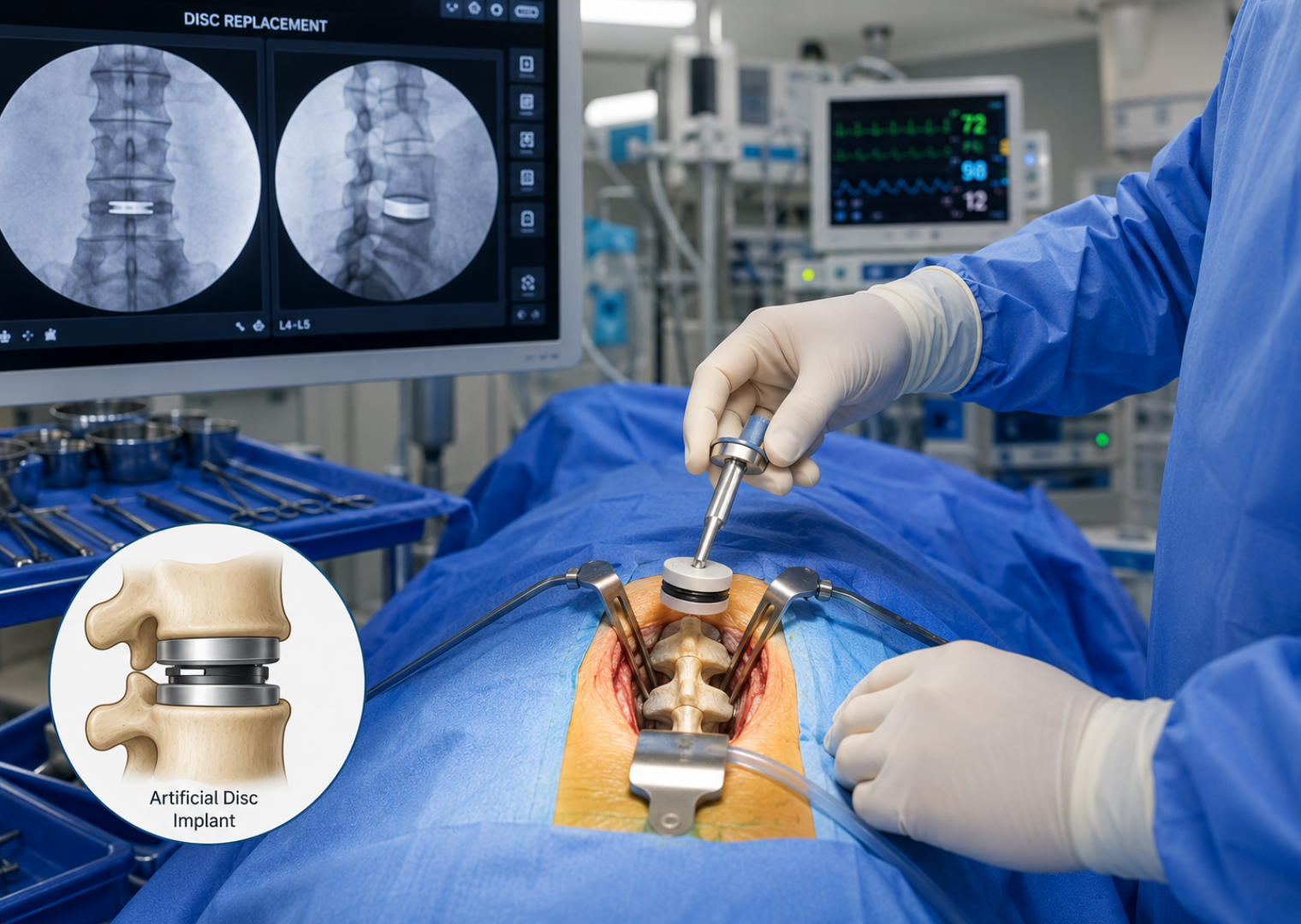
A motion-preserving spine procedure used to treat damaged or degenerated spinal discs causing chronic neck or back pain. By replacing the affected disc with an artificial implant, it helps relieve pain, maintain natural spinal movement, and support a quicker return to daily activities.

A surgical procedure used to treat chronic low back pain, spondylolisthesis, spinal trauma, and spinal infections. By permanently stabilizing affected spinal segments, it helps relieve pain, restore spinal alignment, and improve overall function and quality of life.

A surgical procedure used to treat cervical myelopathy and cervical radiculopathy caused by nerve or spinal cord compression in the neck. By removing pressure on affected nerves and stabilizing the spine, it helps relieve pain, restore function, and improve quality of life.

A surgical procedure used to treat cervical myelopathy, spinal trauma, and spinal tumors affecting the neck region. By relieving pressure on the spinal cord and stabilizing the cervical spine, it helps improve neurological function, reduce pain, and restore spinal stability.

for Cervical
Myelopathy.
A motion-preserving surgical procedure used to treat cervical myelopathy caused by spinal cord compression in the neck. By creating more space for the spinal cord while maintaining spinal stability, it helps improve neurological function, relieve symptoms, and support long-term mobility.

for Atlantoaxial
Instability
A specialized spinal stabilization procedure used to treat atlantoaxial instability affecting the upper cervical spine. By securely stabilizing the first and second cervical vertebrae, it helps protect the spinal cord, restore stability, and prevent further neurological complications.

A complex spinal stabilization procedure used to treat trauma, tumors, and compression disorders affecting the craniovertebral junction. By securing the connection between the skull and upper cervical spine, it helps protect vital neural structures, restore stability, and improve neurological function.

Scoliosis, Kyphosis
A specialized surgical procedure used to treat scoliosis and kyphosis in both children and adults. By correcting abnormal spinal curvature and restoring proper alignment, it helps reduce pain, improve posture, enhance function, and prevent further progression of the deformity.

A minimally invasive surgical procedure used to treat scoliosis and complex spinal deformities. Performed through small chest incisions using thoracoscopic techniques, it helps improve spinal alignment, enhance deformity correction, and support better long-term spinal balance and function.

A specialized surgical procedure used to treat spinal cord or nerve compression caused by trauma, tumors, infections, and degenerative spine conditions. By removing pressure on neural structures and stabilizing the spine, it helps relieve symptoms, restore function, and improve spinal stability.

A surgical procedure used to treat spinal cord or nerve compression caused by degenerative disorders, trauma, tumors, infections, and spinal instability. By relieving pressure on neural structures and stabilizing the affected spinal segments, it helps reduce pain, improve function, and restore spinal alignment.

Minimally invasive spine procedures used to treat osteoporotic vertebral fractures causing severe back pain and spinal instability. By stabilizing the fractured vertebra and restoring spinal support, these procedures help relieve pain, improve mobility, and promote a quicker return to daily activities.

Trauma.
A specialized surgical procedure used to treat spinal fractures, dislocations, and traumatic spinal injuries. By restoring spinal stability, relieving pressure on the spinal cord or nerves, and correcting alignment, it helps prevent further complications and supports recovery and functional restoration.

A specialized surgical procedure used to treat benign and malignant tumors affecting the spine. By removing or managing tumor growth while protecting the spinal cord and nerves, it helps relieve pain, preserve neurological function, and restore spinal stability.

A minimally invasive pain management procedure used to diagnose and treat pain arising from the facet joints of the spine. By delivering targeted medication directly to the affected joints, it helps reduce inflammation, relieve pain, and improve mobility and daily function.

A minimally invasive pain management procedure used to treat nerve-related back and leg pain caused by conditions such as slipped discs and spinal stenosis. By delivering anti-inflammatory medication directly around the affected nerve root, it helps reduce pain, improve mobility, and support recovery.

A motion-preserving spinal procedure used to treat selected cases of spinal instability and degenerative spine disorders. Using advanced stabilization systems such as inter-spinous spacers and dynamic pedicle screw constructs, it helps relieve pain, maintain controlled spinal movement, and improve overall function.
Frequently Asked Questions
Frequently Asked Questions About Spine Procedures
When is spine surgery recommended?
Spine surgery is typically recommended when non-surgical treatments such as medication, physiotherapy, and lifestyle modifications have not provided adequate relief, or when there is significant nerve compression, spinal instability, or neurological symptoms.
Are all spine procedures major surgeries?
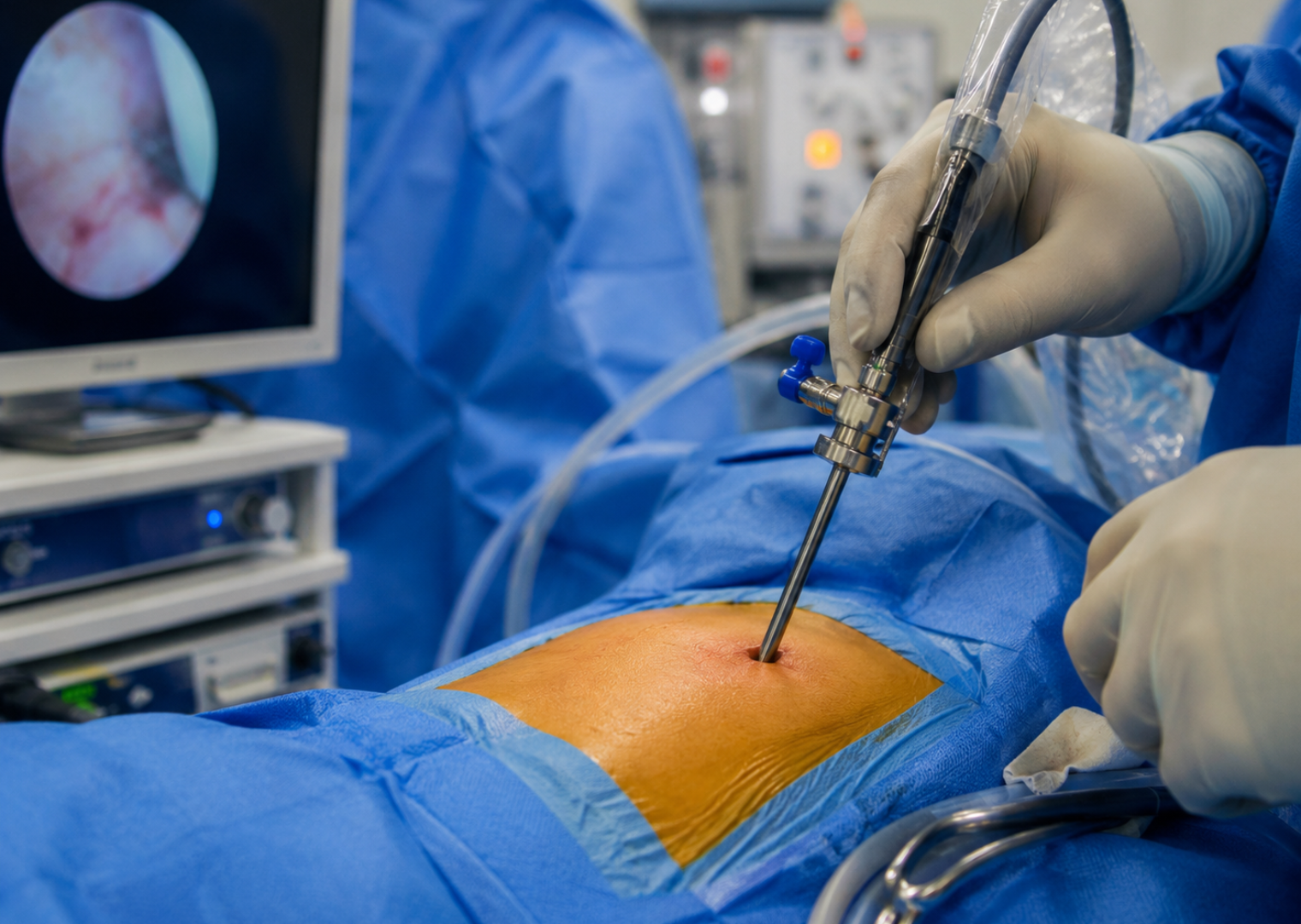
No. Many modern spine procedures are minimally invasive and are performed through small incisions, resulting in less tissue damage, reduced pain, and faster recovery compared to traditional surgery.
What is minimally invasive spine surgery?
Minimally invasive spine surgery uses specialized instruments and advanced imaging techniques to treat spinal conditions through smaller incisions while preserving surrounding muscles and tissues.
How long does spine surgery take?
The duration depends on the type and complexity of the procedure. Some minimally invasive procedures may take less than an hour, while complex spinal reconstructions can take several hours.
How long is the recovery period after spine surgery?
Recovery varies based on the procedure performed and the patient's overall health. Many patients undergoing minimally invasive procedures can resume daily activities sooner than those undergoing complex surgeries.
Will I need physiotherapy after surgery?
Yes. Physiotherapy and rehabilitation are often important parts of recovery, helping patients regain strength, flexibility, mobility, and confidence after surgery.